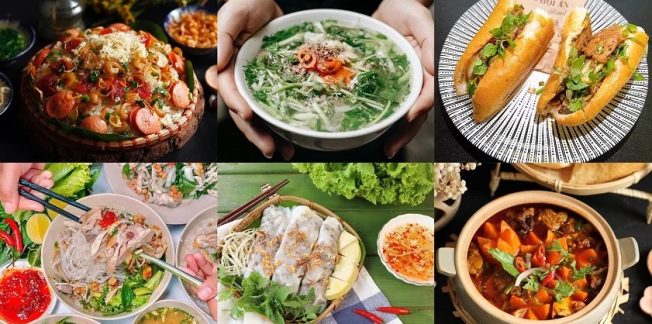
One of the reasons Vietnamese food is loved around the world is its unique balance of flavors. Unlike cuisines that focus heavily on richness or spice alone, Vietnamese cooking combines multiple taste elements in a surprisingly harmonious way.
A single Vietnamese dish can include:
- sweetness
- saltiness
- sourness
- spice
- umami
- freshness
all at the same time — without feeling overwhelming.
This balance is one of the defining characteristics of Vietnamese cuisine.
Take Phở for example. The broth is rich but clean, usually paired with herbs, lime, chili, pepper, and fresh vegetables that allow each person to customize flavor naturally.
Even simple dishes like Bánh mì combine multiple textures and tastes:
- crispy bread
- savory meat
- fresh herbs
- pickled vegetables
- chili sauce
- pâté
creating layers of flavor in every bite.
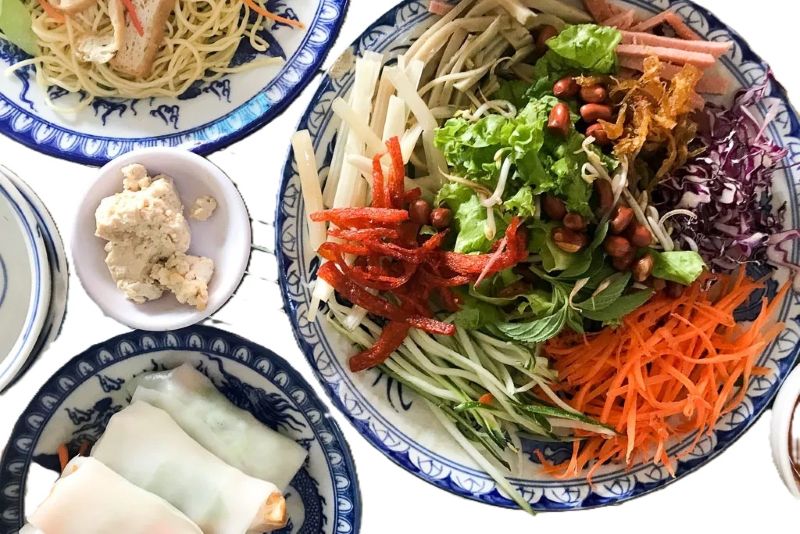
Fresh herbs also play a huge role in Vietnamese cooking. Ingredients like:
- mint
- Thai basil
- coriander
- perilla
- lemongrass
are not just decoration — they completely change aroma and taste.
Another reason Vietnamese cuisine feels so diverse is regional variation.
In Hanoii and northern Vietnam, dishes are often lighter and more subtle. Central Vietnam is famous for bold, spicy flavors and complex sauces, while southern cuisine tends to be sweeter and richer due to tropical ingredients and Mekong Delta influences.
This creates an incredibly wide food culture across the country. Travelers can eat completely different styles of food while moving from north to south Vietnam.
Vietnamese meals also focus heavily on contrast:
- hot broth with fresh herbs
- grilled meat with cool noodles
- crispy textures with soft rice paper
- rich sauces balanced by sour pickles
The result feels satisfying without becoming too heavy.
That balance is why many international visitors describe Vietnamese food as:
- flavorful but fresh
- comforting but exciting
- complex but approachable
And perhaps most importantly, Vietnamese food still feels deeply connected to everyday life. Whether eating street food on tiny plastic stools or sharing family-style dishes at local restaurants, the cuisine reflects both simplicity and remarkable culinary depth at the same time.